
Olive Oil Lemon Cake: One Bowl, Fork-Tender, Quietly Sophisticated
A tender Italian-style cake made with good olive oil instead of butter — bright with lemon, rich without being heavy. The dessert grown-ups actually finish.
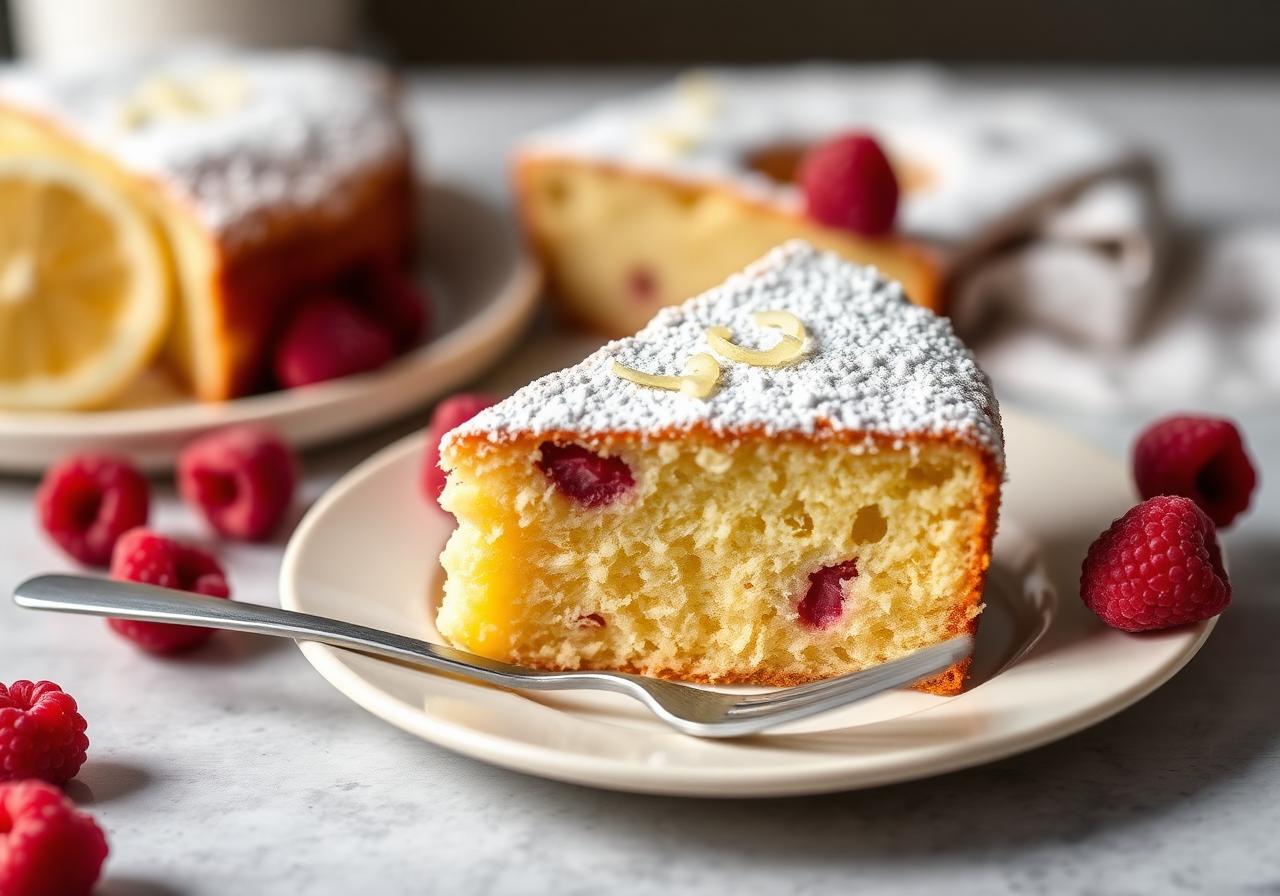
An olive oil cake doesn't taste like olives, in case that's the worry. It tastes like a finer, more interesting version of a butter cake — fruitier, slightly grassy, with a tender crumb that stays moist for days. The lemon turns it into something genuinely special: bright, fragrant, and exactly the kind of cake you serve with espresso.
Best of all, it's a one-bowl recipe that requires no stand mixer. Whisk, fold, bake. The most patient part is waiting for it to cool.
Ingredients
- 1¼ cups all-purpose flour
- 1¼ tsp baking powder
- ½ tsp fine sea salt
- 3 large eggs, room temperature
- 1 cup granulated sugar
- Zest of 2 lemons (about 2 tbsp)
- ⅔ cup good extra-virgin olive oil
- ⅓ cup whole milk (or oat milk)
- 3 tbsp fresh lemon juice
- Powdered sugar, for dusting
- Fresh raspberries, to serve
Instructions
- 1
Heat oven to 350°F. Grease a 9-inch round cake pan and line the bottom with parchment.
- 2
Whisk flour, baking powder, and salt in a small bowl.
- 3
In a large bowl, whisk eggs and sugar until pale and slightly thickened, about 1 minute. Add lemon zest, olive oil, milk, and lemon juice; whisk until fully combined.
- 4
Fold in the dry ingredients with a spatula until just incorporated. Do not overmix.
- 5
Pour into the prepared pan and bake 32–38 minutes, until golden and a toothpick comes out with moist crumbs.
- 6
Cool in pan 15 minutes, then turn out and cool completely on a rack. Dust with powdered sugar before serving.
Which olive oil to use
A medium-bodied extra-virgin olive oil with fruity notes and mild bitterness is ideal. Avoid the most peppery, intense oils — they can dominate the cake's lemon. Equally avoid 'light' or 'pure' olive oils, which lack flavor.
Tuscan, Ligurian, and Spanish picual oils are all reliable. The bottle you'd use to dress a salad is the bottle you should use here.
Why lemon zest does the heavy lifting
Lemon juice provides acid; lemon zest provides flavor. The aromatic oils that make a lemon smell like a lemon are concentrated in the colored part of the peel. Without zest, even with juice, the cake tastes vaguely citrusy at best.
Use a microplane and take only the yellow — the white pith underneath is bitter. Two lemons' worth of zest is generous and exactly right.
Why one-bowl baking still requires restraint
Once you add the flour, fold gently and stop the second you no longer see streaks. Overmixed batter develops gluten, which gives you a tough, slightly rubbery cake instead of a tender one.
A few small lumps are fine. They'll bake out. A perfectly smooth batter is a sign you've gone too far.
How to store a cake that improves overnight
Olive oil cake actually tastes better the day after baking — the olive oil flavor blooms and the crumb softens further. Store at room temperature, well wrapped, for up to 4 days.
Freezes well too: wrap individual slices in parchment, then in a zip-top bag. Thaw at room temperature for 30 minutes; no quality loss.
Frequently asked questions
Can I make this dairy-free?
Yes — substitute oat milk or almond milk for the whole milk. The texture is virtually identical.
Can I use lemon extract instead of zest?
It works in a pinch (½ tsp added to the wet ingredients), but the result is noticeably less vibrant. Real zest matters here.
Why did my cake sink in the middle?
Most often: opening the oven too early, underbaking, or expired baking powder. Check the date on your baking powder if it happens twice.